Kitchen Mysteries
Knowledge gaps in family recipes
Contents: About the Collection | Tech
About the Collection
This website was created as a final project for Z652 Digital Libraries at the University of Indiana, Bloomington by Kaelyn Harris. It was initially inspired by a look through my grandmother’s recipe card boxes, an experience much like time-travel, bringing them through the early 1930’s up to 2008 or so. During this trip, I noticed a trend of assumed knowledge on the part of the home chef that definitely didn’t translate to my more modern cooking experience or repertoire. I took those recipes aside and have gathered them here for your own trip through time, though I did also make sure to include the singular recipe with a truly excruciating amount of detail, courtesy of my great-grandma Theresia Bierl.
The turn of the 20th century introduced new attitudes towards food all across the world, but especially for home chefs across America. This included voluntary rationing during World War 1, food shortages due to the Dust Bowl and the Great Depression, compulsory rationing during World War 2, and the reign of gelatin during the “Golden Age” of the Fifties. This sudden abundance of the 50s combined with the past 40 years’ frugality and creativity led to some of the most memorable recipes, for better or worse, in American culinary history.
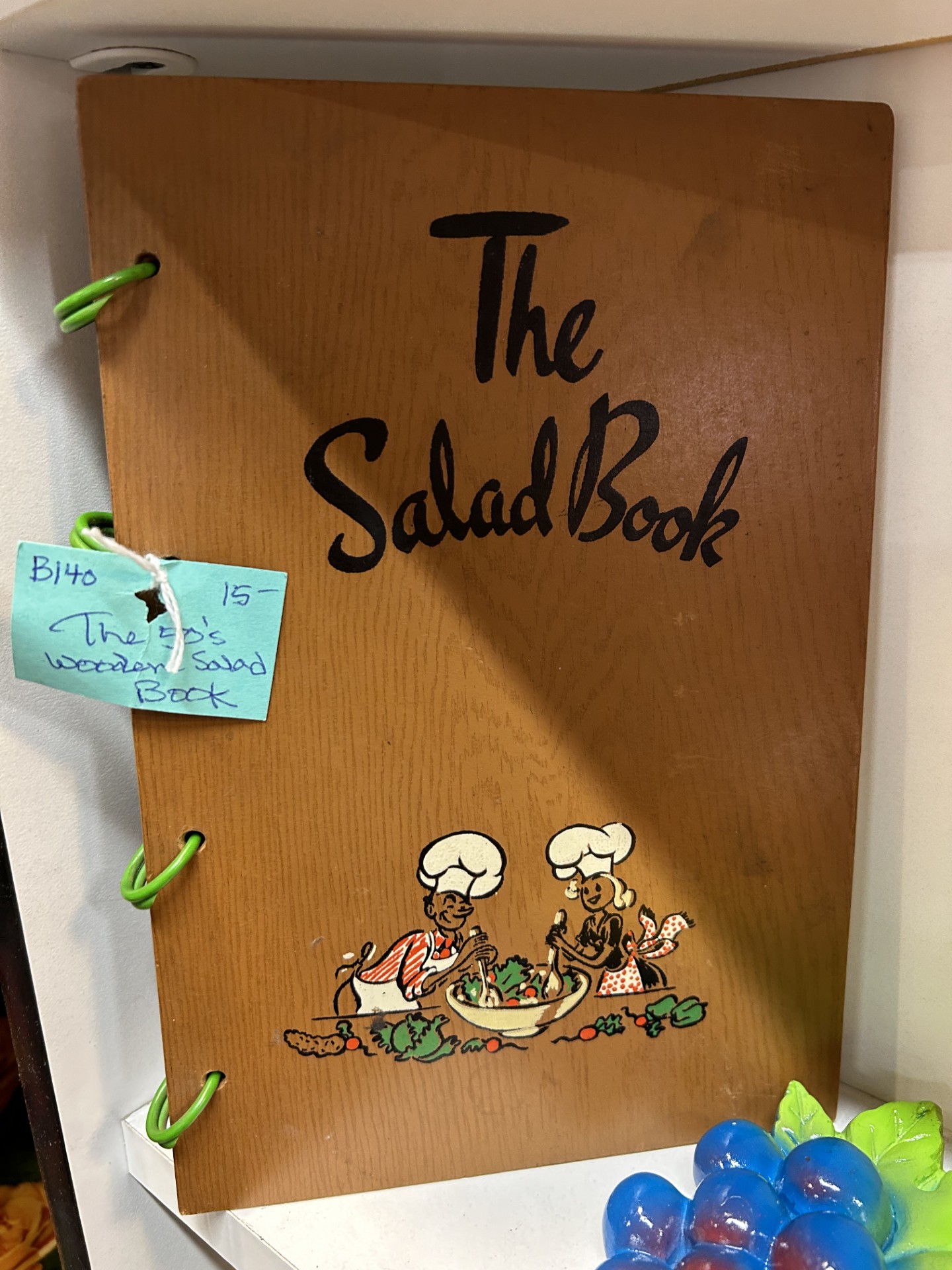
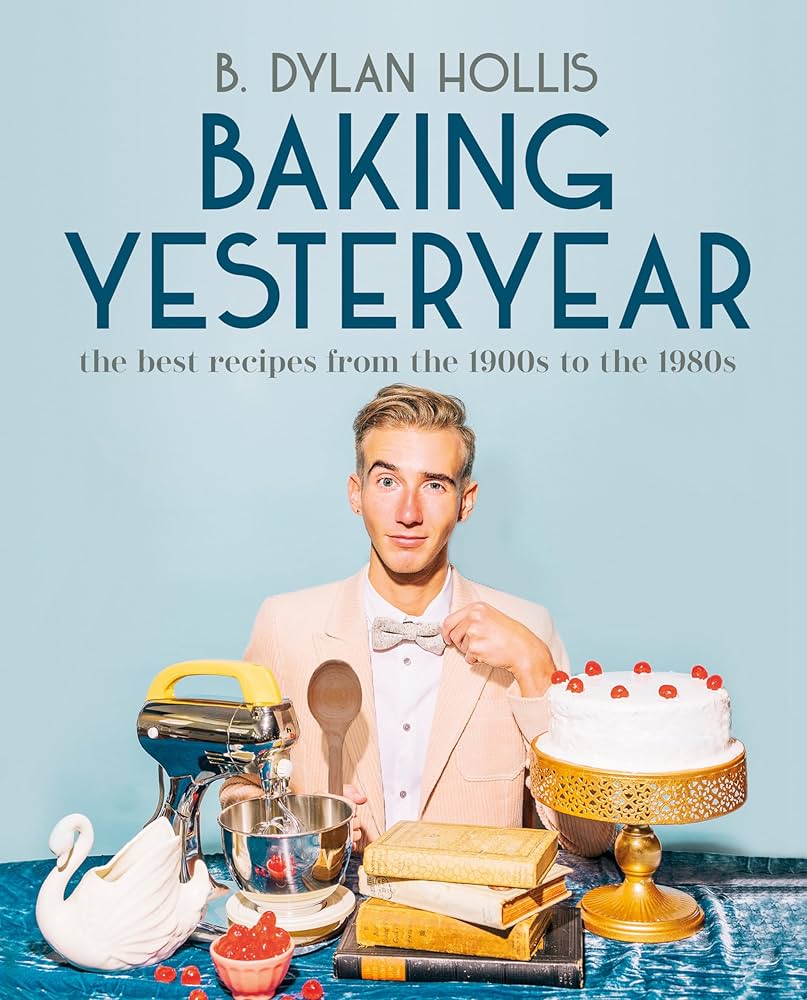
Depression-era and war recipes often used scant milk, eggs, butter, and sugar, due to scarcity and rationing, while the 50s are iconic for their gelatin monstrosities and “salads” that aren’t really salads. Do not expect lettuce to make a feature except as an additional texture. Culinary historian and home chef B. Dylan Hollis recently took it upon himself to share 20th century recipes with the Internet, primarily in video format, as he follows the recipes as written, to varying results. Chief among the successes are chocolate potato cake (1910s), unemployment pudding (1920s), sour cream cookies (1940s), and boiled cookies (1950s). However, he has stumbled across a few failures, being jellied meatloaf (1930s), roughage loaf (1910s), and pickle cheesecake (1970s).
While the recipes collected here are, in my humble opinion, less adventurous than those sampled by B. Dylan Hollis, they are just as mysterious, whether it be from assumed knowledge of methods and quantities, or from strange ingredient combinations. Ambiguity in these recipes often stems from the dreaded phrase, “make according to standard method,” or similar phrasing. The end results hinges on the home chef’s correct understanding of what is meant by “standard method.”
Take rice, for example. For most, washing thoroughly and steaming rice is the standard preparation method. But do they use a steamer pot, or just a pot on the stovetop? How long do they prefer to steam the rice? “Until done” isn’t an exact measurement; historical cooking requires a degree of trial and error to find what the home chef guesses is the “correct” end result. Serving the example rice is another matter; I prefer it plain, or with rice seasoning, while my close friend’s family serves it with butter and salt by itself. Another friend considers fried rice their standard rice. While these are modern examples of our rice preferences, the same variation exists with each past home chef, and their methods are not always noted down so that others can easily read them and understand. Much like notes taken during class, each student (and home chef) has their own shorthand or understood information that shapes their notes (recipes).
Please enjoy looking through the collection, and do let me know if you try any of the recipes at kh46@iu.edu.
My special thanks to Professor John Walsh and Gyuri Kang for their instruction and technical support; Audrey Carter, Rae Davis, Megan Dye, Sarah Hensler, and Scout the Cat for their unwavering moral support; and Jean Harris, for entrusting her recipes to me. This wouldn’t have been possible without her.
Technical Credits - CollectionBuilder
This digital collection is built with CollectionBuilder, an open source framework for creating digital collection and exhibit websites that is developed by faculty librarians at the University of Idaho Library following the Lib-Static methodology.
The site started from the CollectionBuilder-GH template which utilizes the static website generator Jekyll and GitHub Pages to build and host digital collections and exhibits.